Creating a workspace at home that feels cozy yet helps you stay productive is essential for anyone working remotely or pursuing personal projects. The right environment can boost your focus, reduce stress, and make working from home an enjoyable experience. Whether you have a dedicated room or just a small corner, thoughtful adjustments can make a big difference. Below are detailed tips to help you create a home workspace that’s both comfortable and efficient.
Choose the Right Location
Pick a Quiet Spot
Start by selecting a space that has minimal distractions. Avoid areas with high foot traffic or noisy appliances. A corner in your bedroom, a small nook in the living room, or a spare room can all work well.
Consider Natural Light
Natural light positively affects mood and energy. Position your desk near a window if possible. If natural light is limited, invest in good artificial lighting that mimics daylight.
Invest in Ergonomic Furniture
Comfortable Chair
A supportive chair is crucial. Look for one with adjustable height, lumbar support, and cushioned seating. Sitting comfortably helps prevent back pain and keeps you focused for longer periods.
Desk Setup
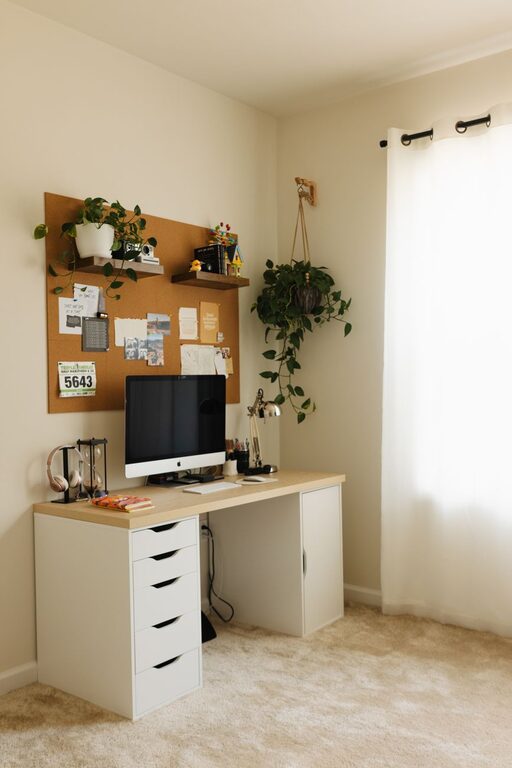
Choose a desk that fits your space and provides enough room for your computer, notebooks, and other tools. If space is tight, consider a wall-mounted fold-down desk.
Optimize Lighting
Layered Lighting
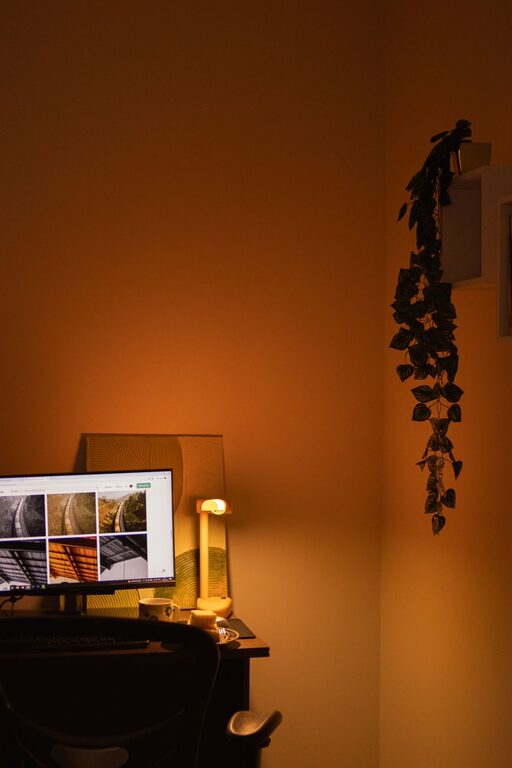
Use a combination of ambient, task, and accent lighting. Ambient lighting provides overall illumination, task lighting focuses on your work area, and accent lighting can add warmth and personality.
Avoid Glare
Position lights so they don’t cause glare on your screen. Adjustable desk lamps allow you to direct light where you need it most.
Declutter and Organize
Keep Essentials Handy
Limit what you keep on your desk to only the things you use daily. Store other items in drawers or shelves nearby to reduce clutter.
Use Organizers
Desk organizers, file holders, and cable management tools help keep your workspace tidy. Label files or containers for quick access.
Digital Organization
Keep your digital files organized with folders and backups. A clutter-free desktop on your computer can reduce mental clutter.
Add Personal Touches
Use Soothing Colors
Choose colors that calm you or inspire creativity, such as soft blues, greens, or neutral tones. You can bring these colors in through wall paint, decor, or accessories.
Decorate Thoughtfully
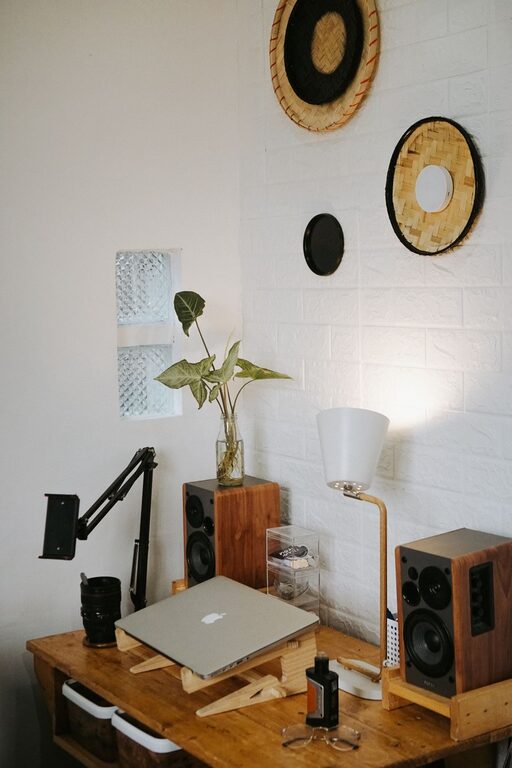
Add a few personal items like photos, art prints, or plants to make the space inviting. Avoid over-decorating to keep distractions minimal.
Incorporate Plants
Plants improve air quality and add a touch of nature. Small potted plants or succulents require little maintenance and can fit easily on your desk.
Manage Noise Levels
Use Noise-Canceling Headphones
If background noise is unavoidable, a pair of noise-canceling headphones can help you concentrate.
Play Background Music
Some people work better with soft music or ambient sounds. Experiment to find what suits you.
Set Boundaries and Routines
Define Work Hours
Establish clear start and end times to maintain work-life balance. Inform family or housemates of your schedule to minimize interruptions.
Take Breaks
Incorporate short breaks to stretch, hydrate, and recharge. This helps maintain focus and avoid burnout.
Keep Workspace Separate
Resist the temptation to use your workspace for leisure activities. Keeping the area designated for work helps your brain associate it with productivity.
Keep Technology in Check
Reliable Internet and Equipment
Ensure your Wi-Fi connection is strong and your devices function smoothly. Use a wired connection if possible for better stability.
Cable Management
Use clips, sleeves, or ties to organize cables and prevent tangling.
Regular Maintenance
Update your software and clean your hardware regularly for optimal performance.
Final Thoughts
Creating a cozy and productive home workspace doesn’t require a big budget or fancy equipment. Small changes in layout, lighting, and organization can dramatically improve your comfort and efficiency. Experiment with different setups, listen to your needs, and tailor the space accordingly. A well-designed home workspace not only helps you work better but also supports your overall well-being.
By putting these tips into practice, you’ll develop a home office that’s inviting, practical, and perfectly suited to your work style. Happy decorating!
About the Author