Creating a relaxing home workspace is essential for anyone looking to boost productivity while maintaining comfort throughout the workday. Whether you’re working remotely full-time or just occasionally, the environment you create at home can significantly impact how focused and efficient you feel. In this guide, we’ll share practical tips to help you design a workspace that encourages relaxation without sacrificing productivity.
Why a Relaxing Workspace Matters
Your workspace affects your mood, energy, and ability to concentrate. A cluttered, noisy, or uncomfortable environment can lead to stress and distractions. On the other hand, a calm and pleasant workspace invites focus, creativity, and calmness, making it easier to complete tasks and enjoy your workday.
Choose the Right Location
Find a Dedicated Space
Whenever possible, select a specific area in your home exclusively for work. This helps your brain associate that spot with productivity and reduces the chance of distractions from household activities.
Consider Natural Light
Position your desk near a window to take advantage of natural light. Sunlight enhances mood and alertness while reducing eye strain. If natural light is limited, invest in quality artificial lighting that simulates daylight.
Invest in Comfortable Furniture
Ergonomic Chair
A supportive, adjustable chair is key to maintaining good posture and preventing discomfort during long hours. Look for chairs with lumbar support and adjustable height and armrests.
Suitable Desk
Choose a desk that suits your space and needs. Make sure it’s large enough for your computer, notepads, and any other tools you use frequently. Standing desks or adjustable desks can be great options to vary your position throughout the day.
Keep Your Workspace Organized
Declutter Regularly
A cluttered workspace can distract and stress you. Keep only the essentials on your desk and store other items neatly in drawers or shelves.
Use Organizational Tools
Trays, file holders, and drawer dividers can help keep papers and supplies sorted. Label containers for quick access to everything you need.
Enhance Comfort with Personal Touches
Add Plants
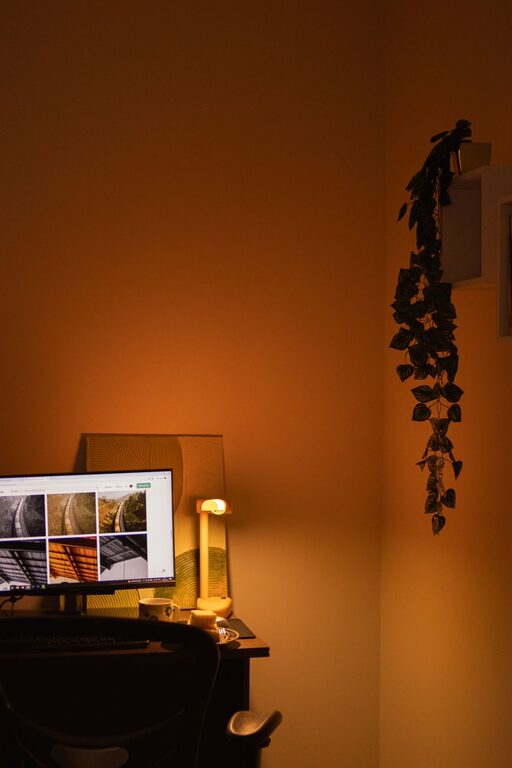
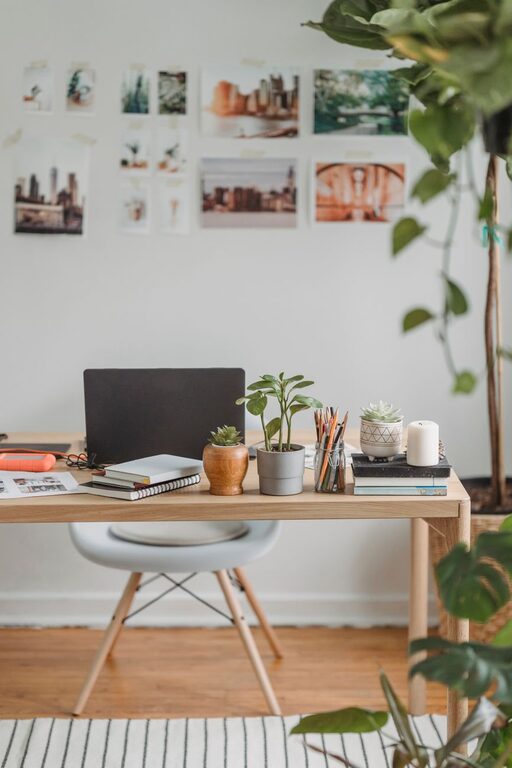
Indoor plants improve air quality and add a touch of nature, which can be calming and uplifting. Low-maintenance plants like succulents or snake plants work well indoors.
Incorporate Soft Textures
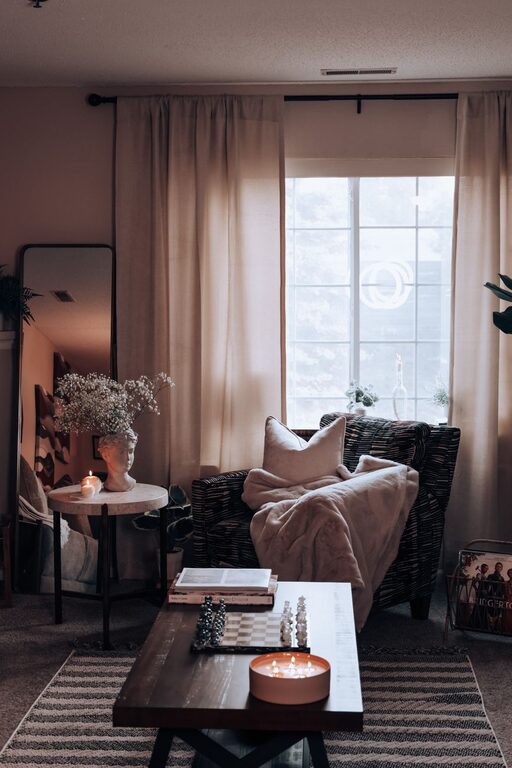
Consider adding a cozy rug or cushions for comfort, especially if your workspace is in a larger room or an area used for multiple purposes.
Manage Noise Levels
Use Noise-Canceling Headphones
If you can’t control external noise, noise-canceling headphones can help you focus by blocking distractions.
Soften Sounds
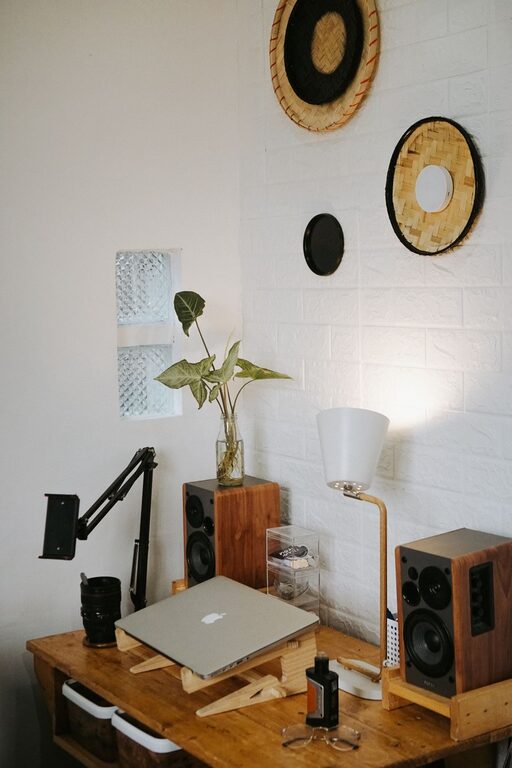
Add curtains, rugs, or wall hangings to absorb sound and reduce echoes in your workspace.
Manage Technology Efficiently
Cable Management
Keep cords and cables tidy by using clips or sleeves to avoid tangled wires, improving both safety and appearance.
Use a Quality Monitor and Keyboard
Invest in equipment that feels comfortable and suits your work style. An external monitor and keyboard can reduce strain compared to a laptop keyboard alone.
Create Healthy Habits
Take Regular Breaks
Use timers or apps to remind yourself to take short breaks every hour. Stretch, walk, or simply rest your eyes to recharge.
Stay Hydrated and Snack Wisely
Keep a water bottle nearby and choose healthy snacks to keep energy levels steady throughout the day.
Add Calming Elements
Soothing Colors
Choose soft, neutral colors or your favorite calming shades for walls, furniture, or decor. Colors like blue, green, and beige can create a serene atmosphere.
Aromatherapy
A subtle essential oil diffuser with scents like lavender or eucalyptus can promote relaxation without being overpowering.
Personalize but Keep it Simple
While you want your workspace to be inviting, too many decorations or personal items can cause clutter and distraction. Select a few meaningful items, like photos or artwork, to inspire you.
—
Final Thoughts
Creating a relaxing home workspace takes some planning and effort, but the benefits make it worthwhile. By choosing a dedicated area, investing in comfortable furniture, organizing thoughtfully, and adding calming touches, you can set up a space that boosts both your productivity and comfort. Keep experimenting with your setup until it feels just right, and remember that a pleasant workspace supports a happier and more effective workday.
About the Author